
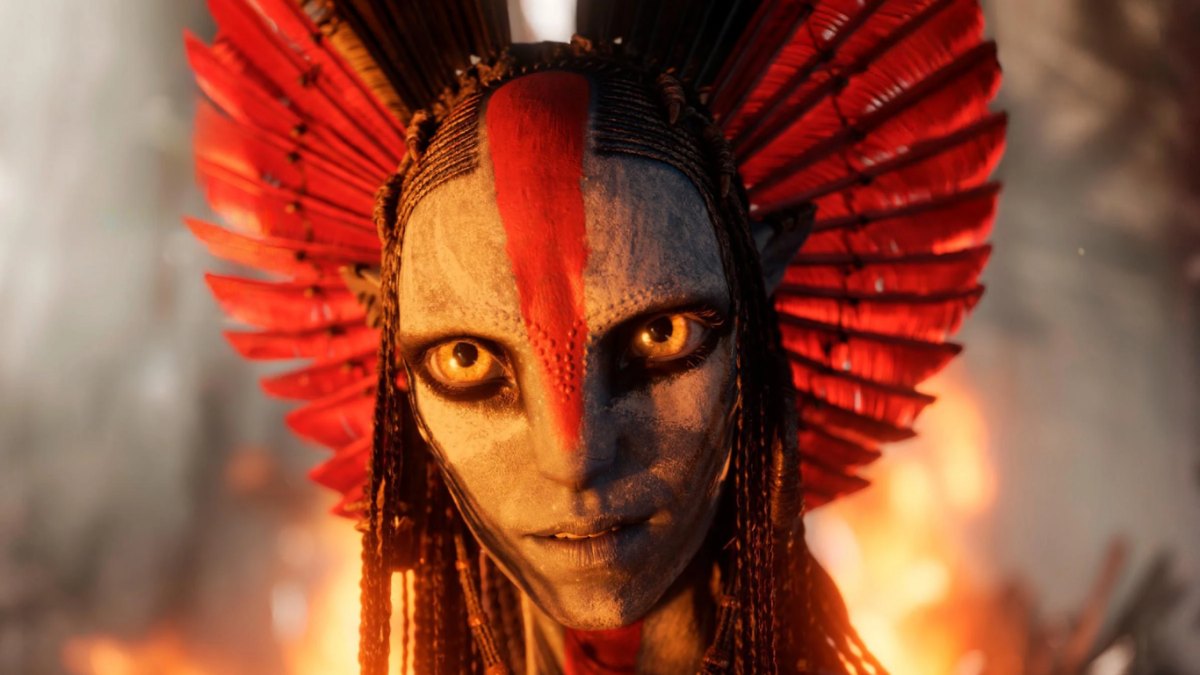
“Avatar: Fire and Ash,” the third movie in the Avatar series, was released on Dec. 19 and has left fans with mixed feelings about whether it exceeded or fell short of their expectations.
When the eponymous debut was released 16 years ago, it stunned audiences with its groundbreaking visual technology — special effects unlike anything seen at the time.
In 2022, “Avatar: The Way of Water” drew fans further in with its immersive portrayal of Pandora and advanced underwater combat scenes. The film left a strong impression on the series, heightening anticipation for the third movie and how the fire element would be portrayed on screen, especially in comparison to the water scenes that previously captivated audiences.
“Fire and Ash” continued the family-centered storyline established in the previous films. “Avatar” followed Jake Sully’s arrival on Pandora and his love story with Neytiri, while “The Way of Water” shifted its focus to their life as a family. The second film ended with the death of their oldest son, Neteyam, a loss that shaped much of the emotional weight in the third movie and made the film’s focus on grief especially effective.
Similar to the previous films, “Fire and Ash” explores how the Sully family and their allies continue to fight against the returning Sky People to protect their home. The primary antagonist remains Quaritch, now allied with a new clan called the Ash People. Led by Varang, a powerful and commanding figure, the group left a lasting mark on many viewers.
As “Fire and Ash” ventures into Pandora’s fiery new territory, Varang’s introduction stands out as one of the film’s most striking additions. As the leader of the Ash People, she is shaped by a harsh past marked by many losses and hardships, which explains her ruthlessness throughout the movie. The Ash People are portrayed as aggressive and unflinching, willing to sacrifice one another when necessary. Varang’s character embodies the destructive and unforgiving nature of fire through her alliance with the Sky People against the Sully family.
Avatar movies are known for their lengthy runtimes, a choice longtime producer James Cameron has consistently embraced. “Fire and Ash” is no exception, and while its runtime may initially seem overwhelming, many fans do not mind the extended runtimes due to their investment in the series.
However, despite lasting over three hours, the film’s ending felt rushed, as several storylines lacked full resolution, creating noticeable pacing issues that slightly diminish an otherwise engaging experience.
Some viewers also found the plot repetitive, as it revisits themes from “The Way of Water,” including the continued conflict with the Sky People and the return of Quaritch as the primary antagonist.
Nevertheless, the film has left audiences eager for the next Avatar movie, with lingering questions about the future of the Navi. If Cameron continues to rely on a familiar story plot, the series may increasingly appeal to fans who value its characters and world over those seeking a more complex narrative.
Regarding the debate over whether “Fire and Ash” met expectations, the film proved it was worth the three-year wait, showcasing refined visual techniques achieved in a far shorter span than the 13-year gap between the first two films.











Alonso Bocanegra • Feb 11, 2026 at 9:21 pm
i agree!