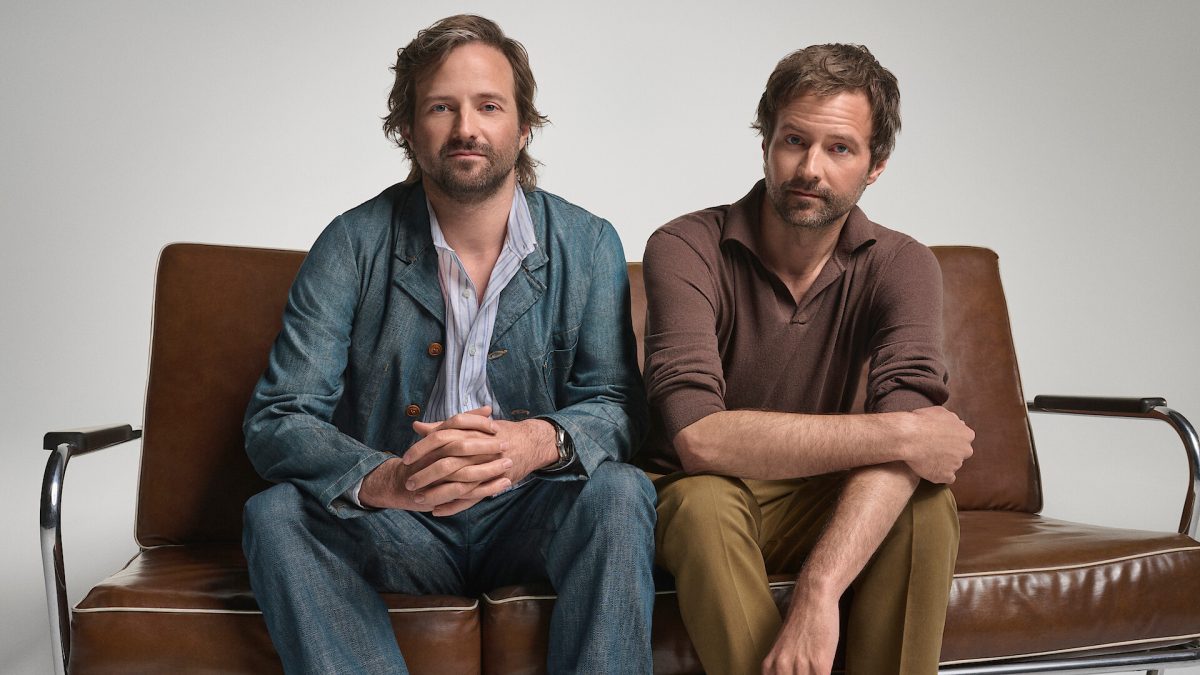
The show “Stranger Things,” created by brothers Matt and Ross Duffer, has been a phenomenon for 10 years, and its long-awaited fifth and final season was released in two volumes, one in November and the other in December 2025.
Though fans well received the first volume of the final season, the quality dropped in the second volume, with the mass media and online audiences attacking the show and its creators. This collective response to one of the most popular shows released on Netflix reveals the lack of critical thinking online and, ultimately, a loss of empathy for modern artists.
The fifth and final season of “Stranger Things” started strong with four fast-paced, action-packed episodes in the first volume. It recreated the nostalgia of the first season, created iconic scenes paired with classic 80s songs and delivered a mind-blowing plot twist in the final scene. Volume two, however, took a turn. It still had memorable scenes and plot twists, but the pacing felt uneven. Scenes went too quickly, and not enough time was spent with the characters. Most of the action was saved for the show-stopping finale, the character endings were well-done and the episode delivered an emotional, bittersweet ending. Still, many plot points were left unfinished, and many details were left unexplained. There is no explanation of how the shadow monster works or how it died; there is no explanation of how El was born so powerful while the other test subjects were not; there is no explanation of why the Upside Down froze in time on the day Will was taken. The Duffers should have received feedback on these plot holes, but rather than thoughtful commentary, the Duffers received hysteria.
An inescapable theory called Conformity Gate took hold of the internet after the finale was released, which was an extreme and unwarranted response. A rumor about unreleased footage of the final season started, which led over 400,000 people to sign a petition directed to Netflix and the Duffer Brothers to release the footage. The fans went so far as to say the final episode was fake and there would be a real finale dropped on Netflix on Jan. 7, 2026. The theory’s viral moment was unprecedented. The Guardian described the theory as a craze, as countless videos and posts on X circulated in support of the theory.
This theory should not have gone as viral as it did, but it makes sense that it did. This is a direct result of the emphasis on short-form content and quickly formed opinions that consume social media. Opinions must be posted quickly, and to be viewed, they cannot be mild or nuanced. As a result, critical thinking has taken a dip in modern culture, and the Duffers and their beloved show received a unique kind of backlash that would not have occurred even a few years ago.
The Duffers are not exempt from criticism, and there are valid reasons to call them out. They did not write season five as well as the previous seasons, and they did not write it quickly enough. These are facts revealed in a documentary after the finale’s release, “One Last Adventure: The Making of Stranger Things 5.” The Duffers did not have the entire script for the final episode written, even while filming it. This made it extremely difficult for the production team and the actors to do their jobs well since they did not know the full context of what they were filming. Scenes in the documentary also show the Duffers in a writing room, where they talk about plot holes in the story but do not resolve them. This is something the Duffers are mocked for on social media platforms, including YouTube and Instagram. Since the Duffers had three years between seasons four and five to write the episode scripts, they should have had all episodes written and all the plot holes worked out. However, this is not the whole story.
What comes with a show as big as “Stranger Things” is pressure. Fans worldwide built up three years’ worth of expectations for the final season. It would be impossible for everyone to be satisfied with the end of the massive endeavor of “Stranger Things,” no matter how the Duffers ended the show. In the documentary, the Duffers stated Netflix was down their necks for production, and writing the finale was time-consuming and difficult. The Duffers are also visibly stressed out in the film, and there is a general sense of anxiety among the crew members as they struggle to meet Netflix’s deadlines.
Art should never be rushed, but because of the nature of film production, season five of “Stranger Things” was. On top of this, the finale was released in movie theaters, meaning the episode had to be as long as modern movies — at least two hours. Though the choice may have been attributed to the Duffers, it was most likely influenced by Netflix. Consequently, the structure and pacing of volume two and the final episode were poor. The struggles of being the creators of a culture-defining show should cause thought-provoking conversation, but there was only the frenzy of Conformity Gate, TikTok edits and then silence.
This phenomenon is seen again and again online. When a female pop star releases a new album, the internet hates it on impulse. It happened with Sabrina Carpenter’s “Man’s Best Friend” and Taylor Swift’s last two records. Things are labeled in extremes; Colleen Hoover’s books are bad, while Emily Henry’s books are good. Those labels leave a singular impression on the artist, and there is little room for conversation, which leaves little room for understanding. The solution may seem simple: don’t get sucked into the riptide of social media. However, almost every popular news source is affected by this lack of critical thinking and empathy, and that trickles down, changing how people think.
If we stop and look at every angle of the Duffers’ circumstances, we can see how known and unknown factors squeezed them into a corner, and we can sympathize. Audiences have the right to criticize and debate, but they have no right to make demands, and artists should be able to create without thinking about what their audience wants. The aftermath of “Stranger Things” serves as an example of what popular culture has become, and it shows us what we should strive not to be.