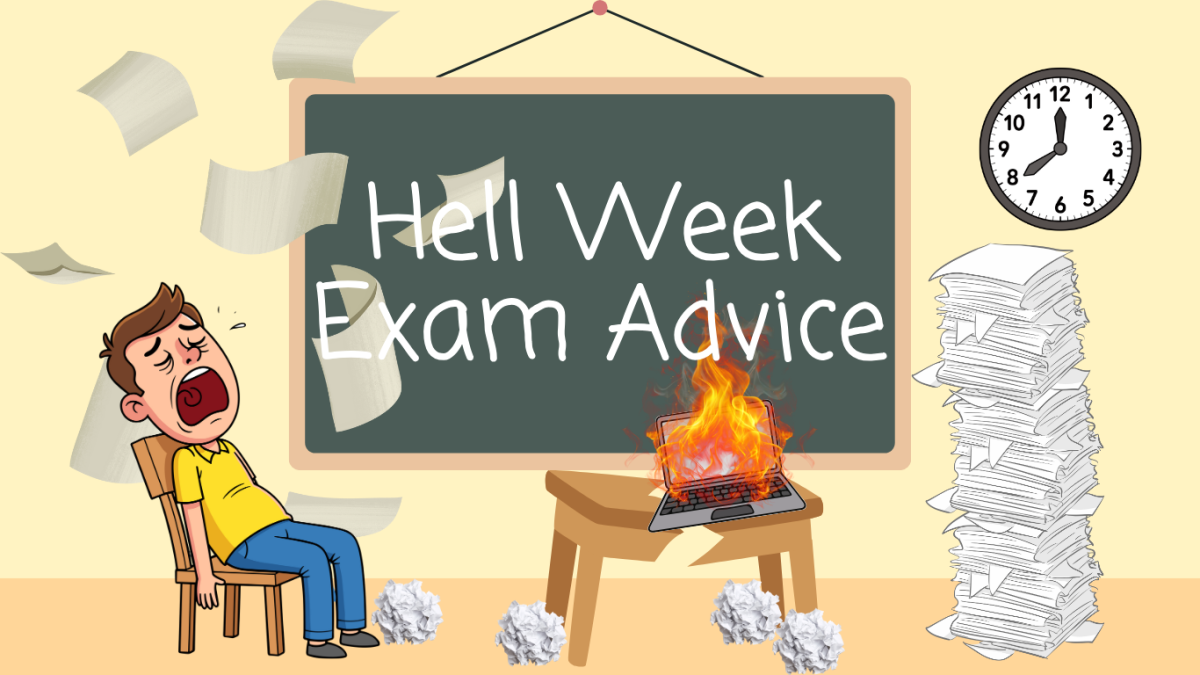
With exam week, known to MSMS students as “hell week,” on the horizon, experienced seniors have a few pieces of advice for juniors facing end-of-year exams for the first time and for fellow seniors preparing for another round of important tests.
For many students accustomed to being exempt from exams, the week sounded intimidating at first. One important aspect students should know going forward is how exam scores actually work. Exams at MSMS make up only 20% of the semester average, so even if one doesn’t go well, it won’t outweigh everything you’ve done over the rest of the semester.
Seniors Evan Burgoyne, Colin Chung and Vanessa Espino shared study tips they wish they had known as juniors. Burgoyne said studying in a group helped him the most and explaining concepts to others improved his understanding. He said he calls this method “tutoring tactics,” which he developed through peer tutoring.
Espino, who was interviewed before December exams, said staying organized was one of the most important habits that helped her.
“For my math classes, especially right now in [calculus], I have all my notes from August in a binder, and they’re in order from day one to today,” Espino said. “While studying for exams, I just start from the beginning. It’s like a little journal that you use to study.”
When students have exams across several subjects, it can be challenging to divide their time effectively and review all the material. Chung and Burgoyne said they have both figured out different study approaches that work for them.
Burgoyne said he prioritizes studying topics he struggles with and spends less time on material he feels confident about. He said the time required to review past materials varies by subject.
“In the case of English, I always need to go over all of the [material] because it’s cumulative, so there’s [information] I would have forgotten,” Burgoyne said. “But for math, a lot of it I’ve been doing the whole semester, and it’s been compounding, so I don’t need to spend as much time focusing on things from earlier back. I just focus on recent stuff.”
Chung said he especially advises students to use the resources teachers provide when reviewing.
“Teachers will give you a cumulative review sheet, so definitely do that,” Chung said. “I also know some people like to look back at their old tests, so if the teacher has [them], especially for math classes, I would look through all the units.”
Even if students are unsure about when to begin preparing, it is still best to start as soon as possible to not stress about being too late.
Chung and Burgoyne said the best time to start studying depends on the person. Chung said starting about four days before an exam worked best for him, while Burgoyne said planning a few weeks in advance benefited him most.
Here are more general tips that can help you feel more prepared before an exam.
Prioritize getting solid sleep and eating well. Studies have shown eating breakfast positively impacts school performance by improving concentration and increasing energy levels. Therefore, wake up with enough time to eat a real breakfast if an exam is scheduled early, even if it’s tempting to skip it.
Spread studying over several days instead of cramming the day before or pulling an all-nighter. Research suggests more knowledge is retained when the same amount of time is distributed across multiple study sessions. It is especially essential to get enough rest the night before.
Above all, preparing for exams involves more than studying alone; taking breaks and getting adequate rest are just as important.