
Although “Demon Slayer: Infinity Castle” emitted outstanding visuals in animation and serves as a long-awaited film following the show’s final episode in 2024, it featured unwanted dialogue, which might unfortunately continue in its trilogy.
Adapted from Koyoharu Gotouge’s hit shounen manga “Demon Slayer,” protagonist Tanjiro Kamado sets out in the Taisho period of Japan for an epic journey to transform his sister from a demon into a human. After many volumes, Tanjiro finally confronts the demon who turned his sister evil in a long brawl until sunrise.
Lasting two and a half hours, the film is separated into three battles, each with a distinct animation style.
For each attack in the first fight, the movie displays black, bold lines surrounding dark colors, forming drawings such as a hornet, a caterpillar or a butterfly — a sword art skill released by Shinobu Kocho. The details convey both agility and brute force within Kocho, one of the leaders of the Slayers Corps — an organization that defeats demons.
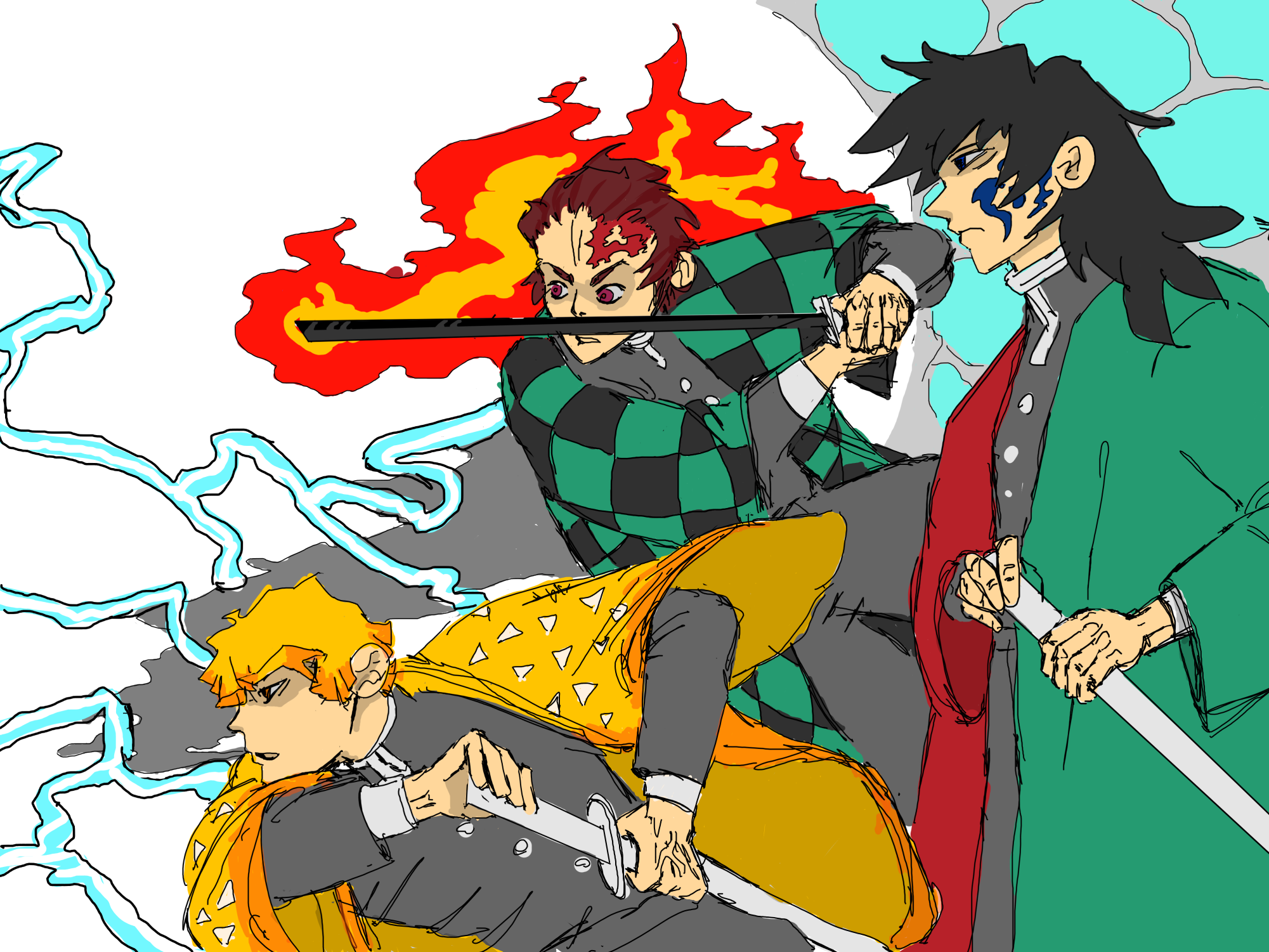
Another animation style displays sharp, bright flashes of color with each sword slash from Zenitsu Agatsuma — a friend of Tanjiro. One of Agatsuma’s attacks extended the budget cap with its vivid strokes of yellow, blue and white paint. The entire screen was filled with bright lightning colors, representing the exhilarating speed of Agatsuma. The background color also contrasted with both the red evil within Agatsuma’s childhood sparring partner-turned-demon, Kaigaku, and the illuminating yellow light cascading down on Agatsuma, creating a sense of hope for the hero to win.
Ending with the supposed climax, the final match was Tanjiro and Giya Tomioka — another leader — versus Akaza, the third strongest demon. This battle conveyed controlled chaos with its beautiful, destructive CGI, including wooden chips flying sporadically while managing to focus on the wind burst attacks from Akaza.
Unfortunately, some of these stylistic scenes contained a side of emotional backstory, which disrupted the ongoing action.
From the show to the first brawl of this film, Kocho’s question about her sister’s death is finally answered: The demon she’s fighting is her sister’s killer. Luckily, her growing anger from the death of her sister had vanished since Kocho realized how proud her sister was and how much courage she carried in her final moments. While this was happening, Shinobu’s body was in agony, being mutilated by the second strongest demon, a confusing cut to a scene that should’ve remained intact. This cut creates emotional turmoil while sustaining an upbeat direction, resulting in a nauseating rollercoaster ride throughout this sequence.
At the end of the show, Agatsuma became perplexed after receiving a deafening note about his master’s seppuku, a person who supported him when others criticized. Kaigaku believed his master cared for Agatsuma more than he did for him. After seeing the growing toxicity of Kaigaku’s jealousy and anger, Agatsuma found comfort knowing his master was pleased with the warrior he is today. Unlike the other fights, this battle perfectly inserted the depressing backstory while providing the action, since most of the audience experienced his childhood before the film.
The final clash resulted in one of the best stylistic scenes in anime history, served with an unnecessary, lengthy backstory. The film’s last encounter should bring audiences a final burst, and while it does initially accomplish its goal, the last 20 minutes of the movie are utterly swamped with unappealing storytelling.
In a series of flashbacks, the film shows Akaza’s quest for revenge led him to become a demon after a neighboring dojo poisoned two of the only people who appreciated his violent nature. While disheartening and sappy, Akaza’s story wasn’t as powerful as some of the other characters. As the audience, we have gone through the journey of others from the show, but Akaza is mostly seen in the “Demon Slayer: Mugen Train” movie. “Demon Slayer: Infinity Castle” should have strayed a bit away from the manga, showing Akaza’s backstory, then the fight. This way, the movie could leave audiences with fast-paced action of slicing, punching and fast-paced movement. Shortening Akaza’s story while giving a similar impact is another option.
While the film’s success mirrored the S-tier animation, many backstories will be shared in future battles according to the manga, leading to another risk of storytelling fatigue.