
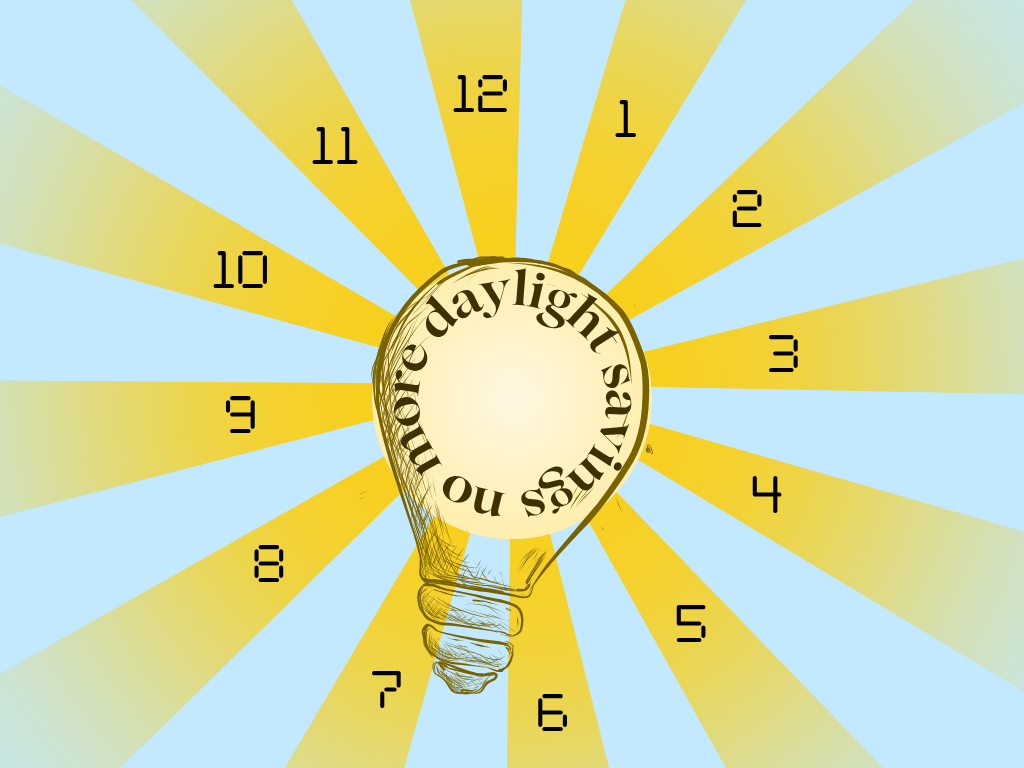
Since early November, MSMS students have dealt with the inconvenience that comes with the seasonal time change. From finishing sports practices in total darkness to heading to dinner when it already feels like midnight, many students are simply tired of daylight savings.
The daylight savings time change offers little to no benefits, especially for students. Still, Mississippi observes it even though other states including Arizona and Hawaii, remain on the same time standard all year long and manage perfectly well.
The actual benefit of daylight savings time is minimal. Its original purpose was to save energy, but now it barely makes a difference. Daylight savings time was adopted during World War I and II as a national energy conservation measure, specifically to save coal and reduce reliance on artificial light. Although it has been in use for decades as a way to conserve energy, later studies have found incorporating wider energy-use patterns produced mixed results.
MSMS Senior John Broome said he agrees most people today find daylight savings more frustrating than helpful.
“I think with the new technological advances we have today, it’s an inconvenience for most people,” Broome said.
People no longer live the way they did a century ago — most spend their time indoors with the lights on and heating or cooling systems running, regardless of the time.
In fact, the time change often increases energy use, since darker afternoons mean turning on lights earlier and spending more time inside once the sun sets. Findings have shown that daylight savings time leads to about an overall one percent rise in residential electricity use, with the highest growth occurring in the fall, when consumption jumps by two to four percent. Experts estimate daylight savings time leads to increased electricity bills, with the cost to Indiana households being around $9 million per year. Social costs of increased pollution emissions are also found to range from $1.7 million to $5.5 million per year.
Research also shows that the daylight savings time shift is linked to more dangerous trends. A Brookings study found robbery rates rose about 7 percent when evenings got darker earlier, with an even sharper 27 percent jump during the hour that lost daylight. Daylight savings time has also been associated with a rise in cyclist and pedestrian accidents. One study found in the five weeks following the fall time change, fatal bicyclist and pedestrian crashes increased.
Similarly, at MSMS, daylight savings adds to the safety concerns that come with early darkness, especially for students who drive or walk around campus at night.
Many MSMS students have said they felt less safe driving after the time change took effect.
“If I have to drive home [from MSMS] or just drive around at night, there’s more deer activity because of the time switch, so there’s a higher chance that you’ll hit a deer, which is not safe,” Broome said.
“From personal experience, when I’m driving [from Columbus to Rankin County], I get very confused because it is pitch black at 5 p.m.,” senior Anthony Nguyen added.
Daylight savings should also be eliminated simply because countless people dislike it. With many outdoor activities pushed into the dark after the time change, students often finish sports practices or leave club events when it is pitch-black outside.
Several MSMS students have said they dislike daylight savings as it disturbs their routines.
“I hate daylight savings time because when I get home from dinner, I can’t see anything,” junior Tamara Palmer said.
“It definitely gets dark out earlier, which kind of throws my rhythm off when I’m working or eating,” Broome added. “I lose track of time quicker, and I’m also more tired.”
The emotional impacts are just as noticeable. Spending so much time in the dark can feel draining, and as stress builds, daylight savings only adds to seasonal fatigue.
People often feel more fatigued after the daylight savings time change, especially in the spring when they lose an hour of sleep. According to the AASM Daylight Saving Time Health Advisory, the transition disrupts sleep patterns in ways that can last about five to seven days.
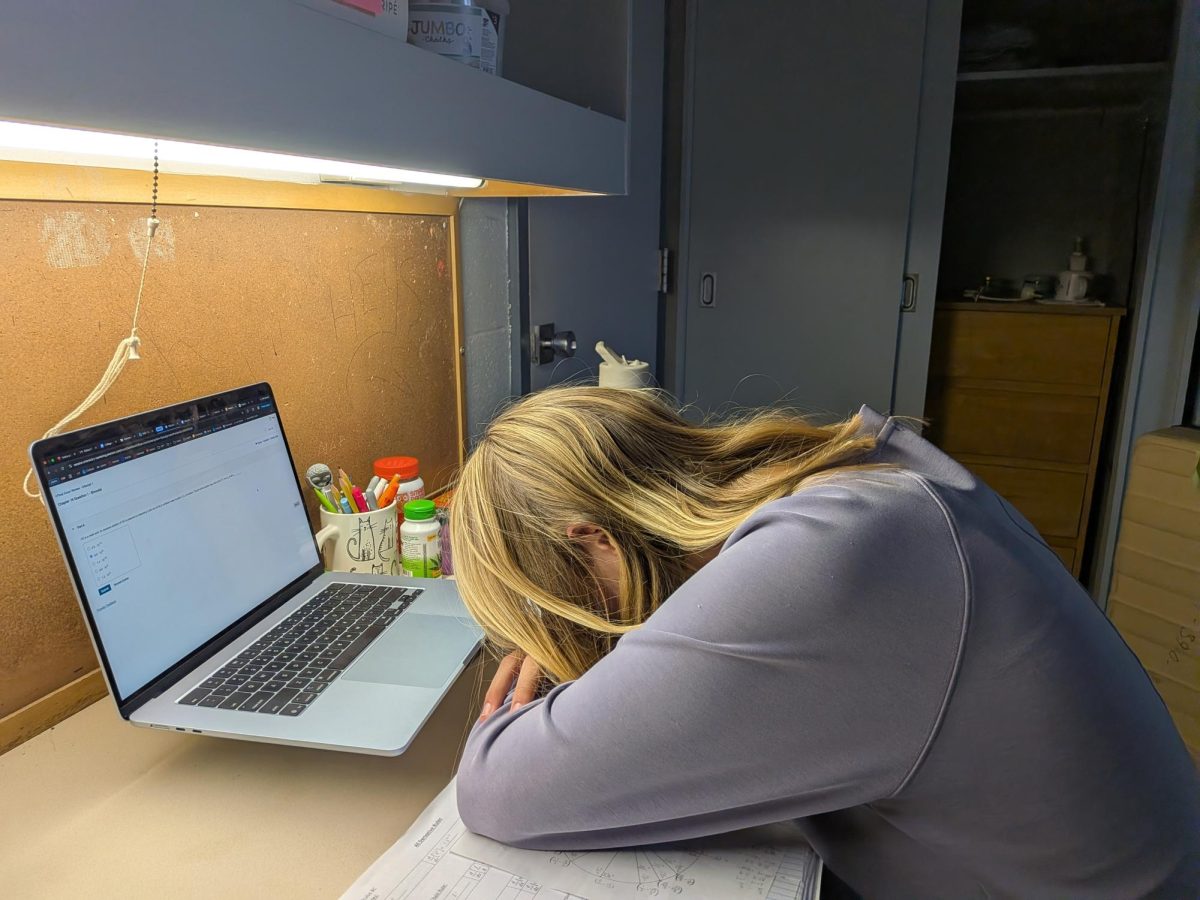
Sleep schedules are already fragile at MSMS, and the time change is not helping. Students are more tired and less motivated to complete their work, and many have noticed they are more sluggish on the days after the switch.
Mississippi should get rid of the daylight savings time change and shift to permanent daylight time, as it would improve the overall well-being of students, and most people are already against the switch.
“Making time more standardized and just keeping it the same all year round makes sense instead of changing it for what seems like a pointless reason,” Broome said.
Not many people benefit from pretending a clock change saves energy, and students definitely feel the shift more intensely than most.











John Broome • Dec 23, 2025 at 10:55 pm
Man, this is a great article. That John Broome guy and his really awesome friend, Anthony Nguyen, sound like true geniuses. Keep up the great work!