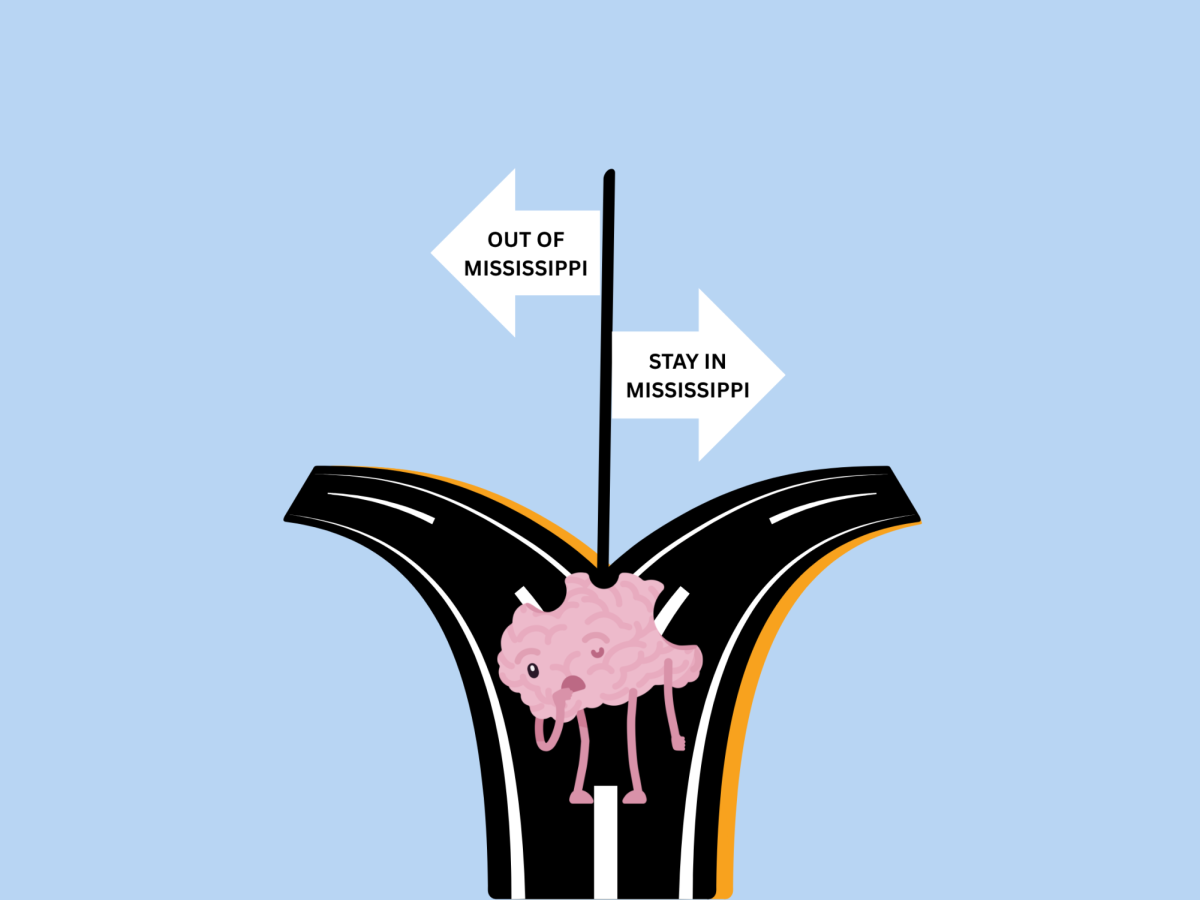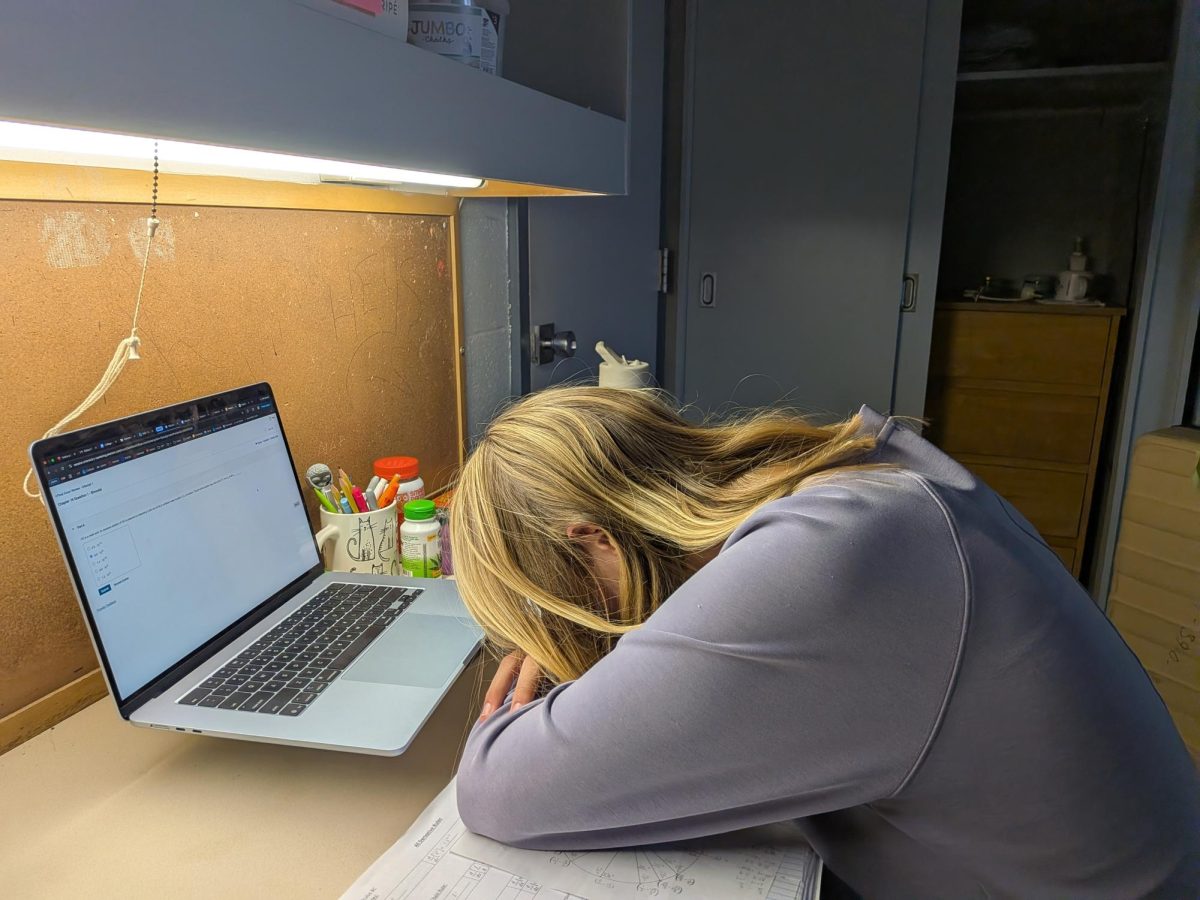

As academic pressure at MSMS continues to mount, students deserve the option to take a day off for their mental health without being penalized.
A typical week at MSMS involves juggling exams, projects, clubs and other extracurriculars, leaving many students drained by the end of the day. The current attendance policy in the MSMS handbook excuses absences for physical illness or family emergencies, but mental health is not given the same consideration. The handbook even includes a section on mental health, recognizing its importance, but does not translate that recognition into excused time off.
In previous years, MSMS allowed students to take a limited number of mental health days per semester, but the school removed this policy, citing students misusing mental health days. Some students used the days to avoid a test or to spend extra time preparing for one, which created attendance issues and led to the policy being discontinued.
Juniors Johnny Ao and Krish Desai introduced a Senate bill on Nov. 19 to bring back mental health days at MSMS, though it has yet not been approved or rejected by administration.
Desai said his idea for the bill grew out of his own experiences at MSMS.
“I’ve had days where I just needed a day off … so a mental health day would have helped a lot,” Desai said. “I know a lot of my friends who have also come up to me saying they would have liked mental health days and they wished [MSMS] never removed them in the first place.”
Meanwhile, several states across the U.S. have officially recognized student mental health days. As of late 2025, 12 states have enacted laws allowing public school students to take mental health days as excused absences. If numerous state education systems can acknowledge mental health as important as physical health, MSMS should do the same.
At a boarding school like MSMS, the pressure is amplified because students live where they study, increasing the likelihood of academic and emotional breakdown.
In many classes, quizzes are given almost every other day, leaving students little time to absorb the material before they are assessed again. For instance, the pace of Foundations for Higher Mathematics, a course packed with Algebra II, Trigonometry and Precalculus concepts compressed into one semester, results in quizzes and tests often falling back-to-back. After a week of assessments, another round of tests usually follows, creating a cycle of nonstop pressure.
Desai said he shares the frustration many students feel with the fast pace of Foundations.
“I don’t have much of a break in between to study or get ready,” Desai said. “Then you have all the other classes that also give tests and quizzes, so it just creates a big load of work all the time.”
A prominent reason MSMS should adopt mental health days is students perform better in the classroom when they are well-rested and emotionally balanced. Recognizing mental health as equally important as physical health would also help normalize seeking support among students who need it.
Some might argue students could abuse the policy or skip class without a valid reason. To prevent this, MSMS could set clear limits on how many mental health days students are allowed.
As a starting point, one mental health day per quarter with counselor approval would give students meaningful support while maintaining a reasonable structure. There could be a rule that mental health days are not allowed on major test days unless there is a verified issue, which helps prevent students from using them to dodge exams while still leaving space for actual emergencies.
Schools could require a quick check-in when a student returns — not as a counseling session, but to prevent the day from becoming an unnecessary absence. Students should also be expected to request a mental health day before a set time in the morning, so the policy doesn’t become a last-minute excuse for students who overslept.
If MSMS can trust students to handle college-level coursework, the school should also trust them to recognize when they need a break. Giving students the room to rest ultimately strengthens MSMS’s ideal of providing an opportunity for excellence.